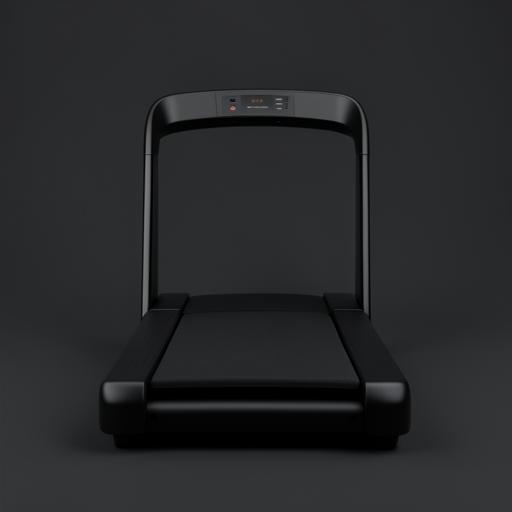
Lifespan · Premium Professional
Under-Desk Walking Pad Treadmill
Best all-round pick for a full workday of quiet walking under a standing desk.
As an Amazon Associate, FitWorkspace earns from qualifying purchases made through links on this site.Full disclosure
Walking Pads
A walking pad is the single highest-impact addition to a desk-based workday, but the specs that matter for desk walking are not the specs treadmill marketing pushes. Speed above 4 mph is largely irrelevant when you are typing. Deck height, motor duty cycle, and noise are everything.
8 min read · Updated September 2026
Continuous-duty motor rating matters more than peak horsepower. A 2.0–2.5 HP motor comfortably handles two to four hours of walking a day at 2–3 mph. Anything below 1.5 HP is designed for short bursts and will run hot if you walk through a full workday.
If you plan to walk on calls for most of the day, prioritise a pad rated for continuous use and check the stated maximum user weight — running a motor near its ceiling is what kills belts and control boards.
Total deck height plus your shoe sole plus your standing height must clear your desk surface. Slim pads sit around 4.5–5.5 inches; models with handrails add several inches and often will not roll under a fixed desk.
Measure from the floor to the underside of your desk at its highest setting before you buy. If your desk does not raise, a flat, handrail-free pad is the only reliable option.
Most returns come down to noise on video calls. Motor whine and belt slap both matter, and both get significantly worse without a mat underneath. A dense rubber mat cuts vibration transfer through floorboards and stops your microphone picking up the low rumble.
Walking pad belts need silicone lubricant every few months and regular clearing of dust and carpet fibre. Skipping both is the most common cause of premature motor failure, and both fixes cost a fraction of a replacement.
Lifespan · Premium Professional
Best all-round pick for a full workday of quiet walking under a standing desk.
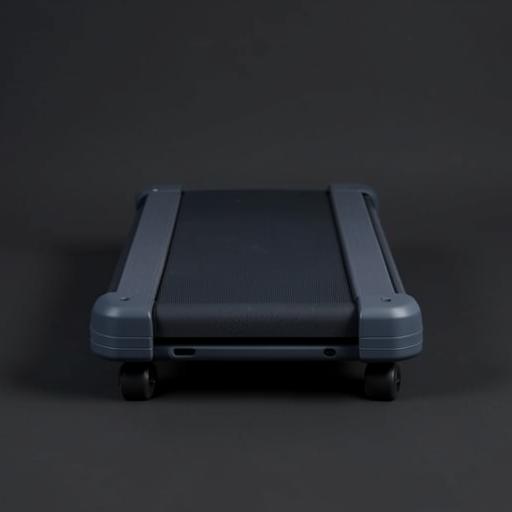
Urevo · Starter Deals
The cheapest sensible entry point if you want to test the habit before committing.
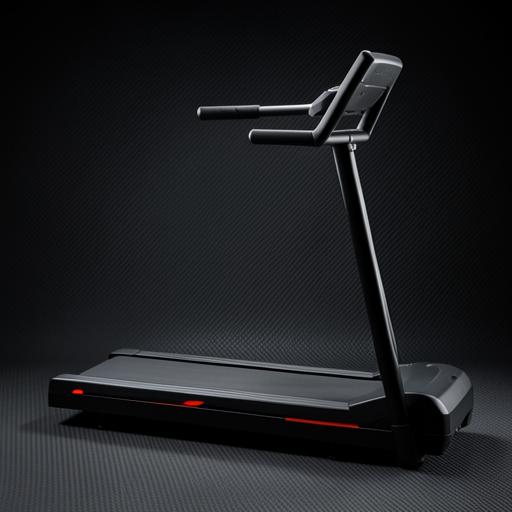
Sperax · Elite Setup
Pick this if you also want to run — the handrail folds up for real workouts.
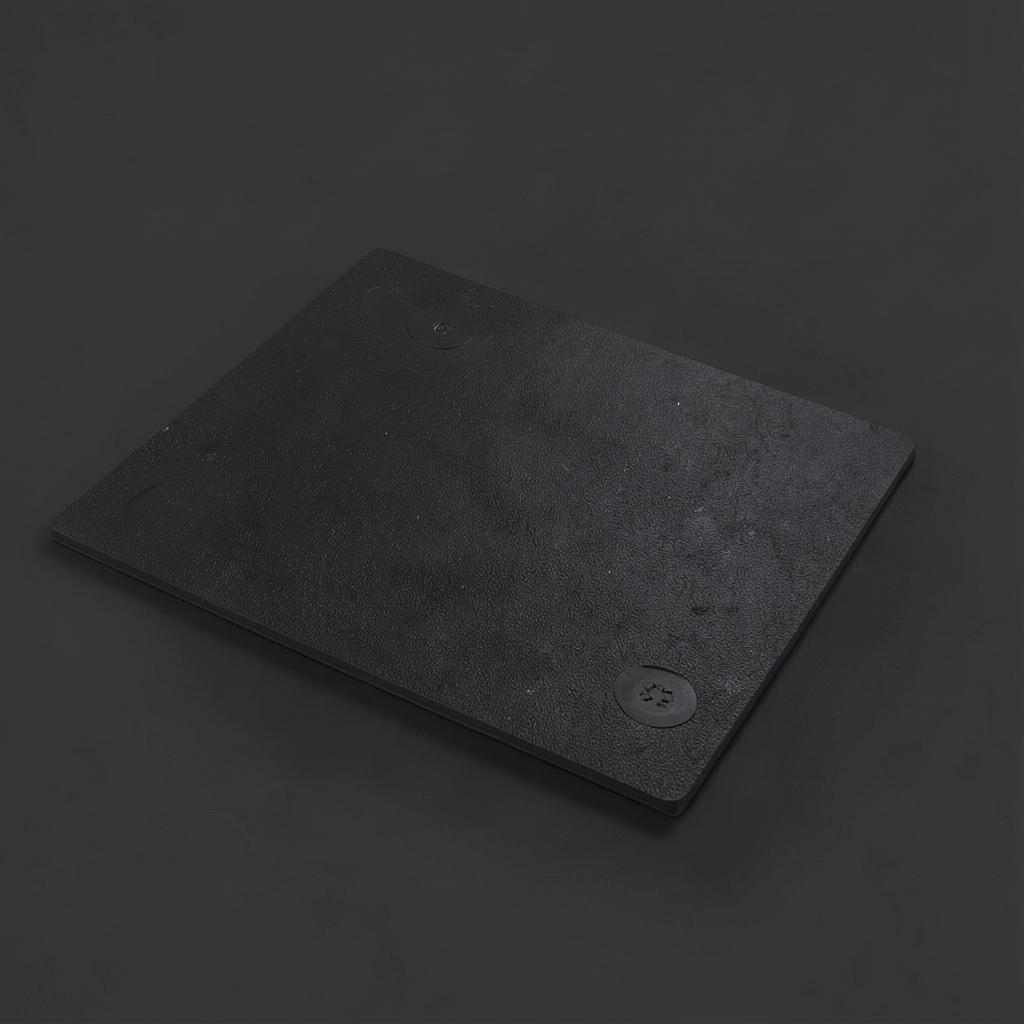
SuperMats · Starter Deals
Buy the mat with the pad, not later. It solves noise and floor damage at once.
Most people type comfortably at 1.5–2.5 mph. Above 3 mph, accuracy drops sharply and video calls get noticeably breathy.
Yes, in practice. A walking pad only works if the desk surface sits at standing elbow height. A desk converter on an existing table is a cheaper route than a full electric desk.
Two hours at 2 mph is roughly 8,000–9,000 steps, which is why walking pads change daily step counts more than any wearable does.
Use the matcher to filter 63 products by health focus, budget, and hardware category in a few clicks.
Open the matcher